Emergency Financial First Aid Kit (EFFAK)
If a disaster or other emergency strikes your community, you may only have seconds or minutes to react. In those critical moments, your focus will be on your family’s safety. Once the threat of harm has passed, having your homeowners or renters insurance policy, bank account information, and other household records and contacts will be very important as you begin the recovery process. The Emergency Financial First Aid Kit (EFFAK) can help you be ready.
The EFFAK includes checklists of important documents and forms to capture information vital for disaster recovery that fall into the following four categories:
- Household Identification – This category is to designed to help you keep track of important information about your household. This information can help you:
- Prove the identity of all household members after a disaster strikes
- Driver’s license
- Birth certificates/ adoption papers/ child custody documents
- Marriage license
- Social security cards
- Child identity cards/ dental records
- Passports
- Maintain or re-establish contact with your family or other members of your household
- Maintain contact with your current employer or the employers of others in the household
- Apply for FEMA disaster assistance, if eligible or any other assistance that might be available
- Financial and Legal Documentation – In this section you want to keep record of your key accounts. This information can help you:
- Identify your financial records and responsibilities. You are still responsible for paying your bills, (i.e. credit cards, mortgage, etc.) even in a disaster. You may require proof of home ownership to receive Federal disaster assistance.
- Re-establish your financial accounts if checks are destroyed or your regular online access methods are inaccessible.
- Retirement accounts
- Investment accounts
- Vehicle registration/ ownership papers
- Be able to speak to companies and individuals who can help you to start recovery.
- Property/homeowners/renters insurance
- Photos of property contents – especially valuable items that are separately covered
- Auto, Life, Pet, Flood Insurance
- Estate Planning- Trust/Will
- Provide legal protection for your assets
* Note: Safeguard your documents by keeping an extra copy in a safe place that you can access if your main copy is damaged.
- Medical Information – This section is for storing information relating to the health and medical needs of the household.
- Physician contacts
- Medical Insurance cards
- Immunizations/allergy records
- List of current medications
- Household Contacts – It is important to have contact information for all your financial advisors, health professionals, and service providers. Consider putting a copy of their business cards in your EFFAK or adding these contacts to your cell phone contact list. This information serves as a backup in case your address book or contact lists are lost or destroyed during an emergency or disaster. These contacts include, but are not limited to, the following:
- Landlord or mortgage representative
- Doctor, dentist, or other health care providers
- Insurance agent
- Banking institutions
- Lawyer
For more information and to download a copy of the Emergency Financial First Aid Toolkit visit: https://www.ready.gov/sites/default/files/2020-03/ready_emergency-financial-first-aid-toolkit.pdf
What Should You Do Before a Winter Storm?
Protect Your Family
- Create a plan with your family on what to do if a winter storm watch or warning is issued.
- Before the winter season starts, winterize your vehicle to decrease your chances of getting stranded. Also keep an emergency kit in your vehicle that includes:
- A windshield scraper and small broom
- A small sack of sand for generating traction under wheels
- Matches in a waterproof container
- A brightly colored cloth to tie to the antenna
- Warm clothing
- A flashlight
- Keep a full tank of gas to keep the fuel line from freezing.
- Minimize travel, only travel when necessary
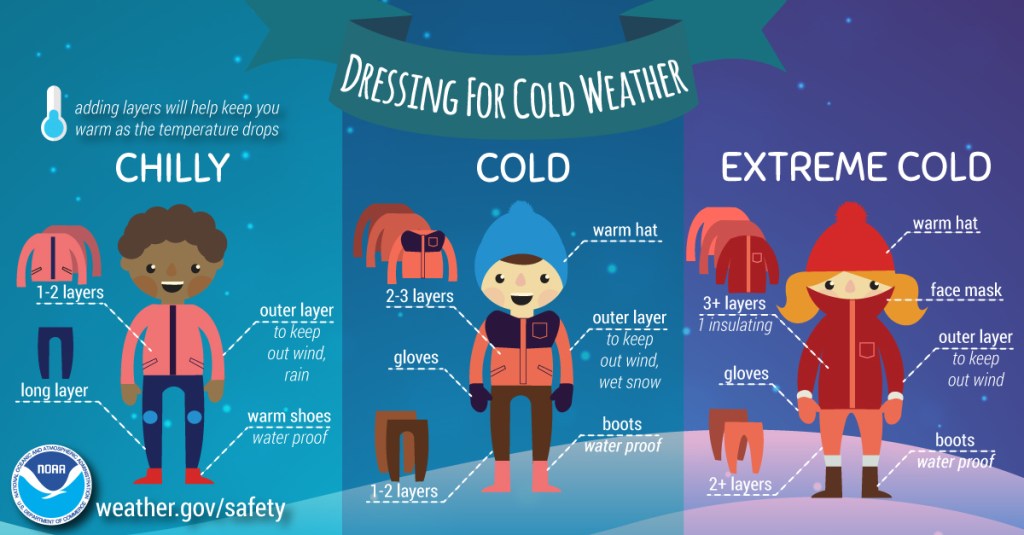
- Keep handy a warm coat, gloves, or mittens, hat, water resistant boots, and extra blankets and warm clothing for everyone in your household.
Protect Your Home
- Weatherproof your doors and windows. Insulate your home by installing storm windows or covering windows with plastic from the inside to keep cold air out.
- Maintain heating equipment and chimneys by having them cleaned and inspected every year.
- Reverse your fans, turning your fans clockwise is a secret to saving money on heat in the winter since it will stop the warm air from rising.
- Clean your dryer hose.
- Prevent pipes from freezing, keep the heat on and let your faucets drip to keep the water flowing.
- Clean your gutters, frozen leaves can be heavy and cause destruction on your home and gutters.
- Consider buying emergency heating equipment, such as a wood or coal burning stove.
- Consider installing a portable generator.
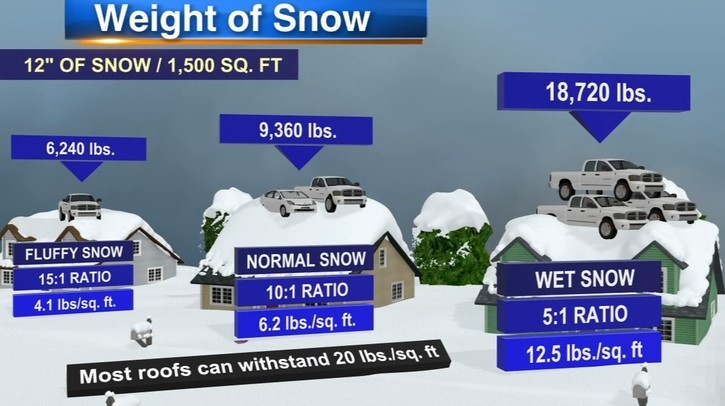
- Understand how much weight your roof can handle and how much snow weighs
For more information on Winter Storm Safety visit: https://www.ready.gov/winter-weather
Have an idea, question, story or feedback you’d like to share? Send an email to CrisisMgmt@intactinsurance.com
SafetyFIRST! is for internal use and informational purposes only. Questions may be directed to CrisisMgmt@intactinsurance.com