Prevent Home Fires
With the holiday season fast approaching, you might find yourself caught up in the hustle and bustle of feasts and friends! While you are profecting your master piece for the main course in the holiday meal, keep these few fire prevention safety tips in mind.
Fire is FAST! In less than 30 seconds a small flame can turn into a major fire. It only takes minutes for thick black smoke to fill a house. Try to not burn the turkey this year, but if you do, open some windows to help the smoke escape the room.
Cooking
- Stay in the kitchen when you are frying, grilling or broiling food. If you leave the kitchen for even a short period of time turn off the stove.
- Wear short, close-fitting or tightly rolled sleeves when cooking.
- Position barbecue grills at least 10 feet away from siding and deck railings, and out from under eaves and overhanging branches.
- Keep a fire extinguisher available.
Electrical and Appliance Safety
- Frayed wires can cause fires. Replace all worn, old or damaged appliance cords immediately and do not run cords under rugs or furniture.
- If an appliance has a three-prong plug, use it only in a three-slot outlet. Never force it to fit into a two-slot outlet or extension cord.
- Immediately shut off, then professionally replace, light switches that are hot to the touch and lights that flicker.
Portable Space Heaters
- Keep combustible objects at least three feet away from portable heating devices.
- Buy only heaters evaluated by a nationally recognized laboratory, such as Underwriters Laboratories (UL).
- Check to make the portable heater has a thermostat control mechanism and will switch off automatically if the heater falls over.
- Only use crystal clear K-1 kerosene in kerosene heaters. Never overfill it. Use the heater in a well-ventilated room.
Fireplaces and Woodstoves
- Inspect and clean woodstove pipes and chimneys annually and check monthly for damage or obstructions.
- Use a fireplace screen heavy enough to stop rolling logs and big enough to cover the entire opening of the fireplace to catch flying sparks.
- Make sure the fire is completely out before leaving the house or going to bed.
For more information on Fire Safety visit: https://www.ready.gov/home-fires
Winter Weather
Winter storms create a higher risk of car accidents, hypothermia, frostbite, carbon monoxide poisoning, and heart attacks from overexertion. Winter storms including blizzards can bring extreme cold, freezing rain, snow, ice and high winds.
Know your weather terms:
Winter Storm Warning: Issued when hazardous winter weather in the form of heavy snow, heavy freezing rain, or heavy sleet is imminent or occurring. Winter Storm Warnings are usually issued 12 to 24 hours before the event is expected to begin.
Winter Storm Watch: Alerts the public to the possibility of a blizzard, heavy snow, heavy freezing rain, or heavy sleet. Winter Storm Watches are usually issued 12 to 48 hours before the beginning of a Winter Storm.
Winter Weather Advisory: Issued for accumulations of snow, freezing rain, freezing drizzle, and sleet which will cause significant inconveniences and, if caution is not exercised, could lead to life-threatening situations.
Learn the signs of Frostbite and Hypothermia
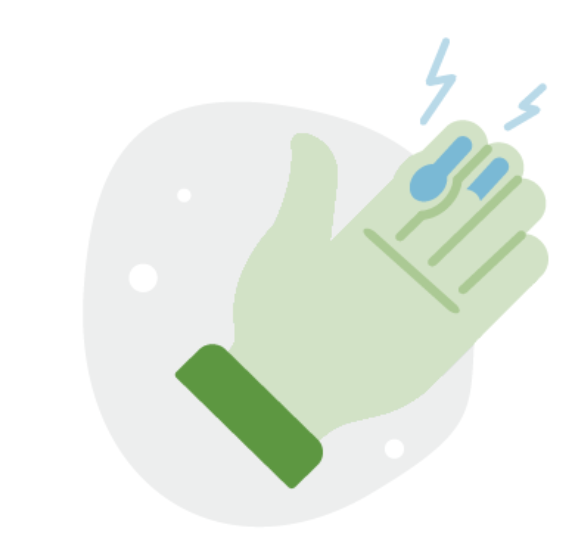
Frostbite causes loss of feeling and color around the face, fingers and toes.
- Signs: Numbness, white or grayish-yellow skin, firm or waxy skin.
- Actions: Go to a warm room. Soak in warm water. Use body heat to warm. Do not massage or use a heating pad.
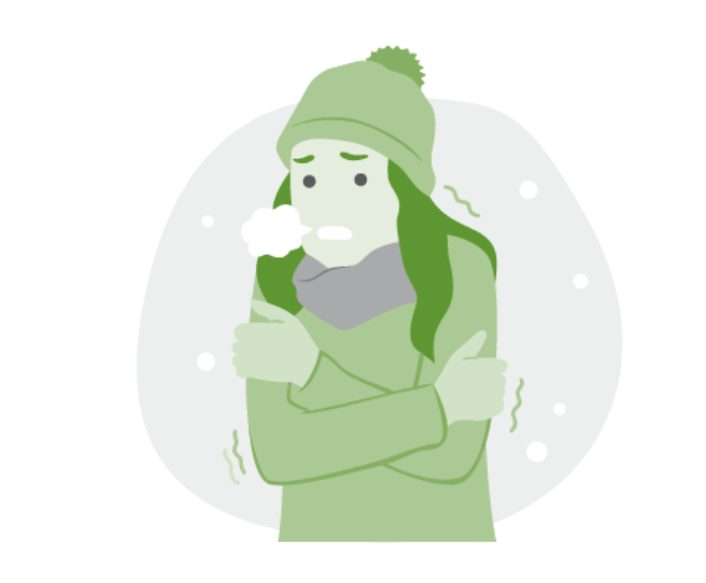
Hypothermia is an unusually low body temperature. A temperature below 95 degrees is an emergency.
- Signs: Shivering, exhaustion, confusion, fumbling hands, memory loss, slurred speech or drowsiness.
- Actions: Go to a warm room. Warm the center of the body first—chest, neck, head and groin. Keep dry and wrapped up in warm blankets, including the head and neck.
For more information on Winter Safety visit: https://www.ready.gov/winter-weather
Inclement Weather and Office Closings
Although many of you are currently working remote, we would like to remind you of our Emergency Office Closing policies. This does apply to those who are currently voluntarily returning to the office.
- For anticipation of inclement weather, you may arrange to work from home with the approval of your supervisor.
- Each employee is expected to exercise his/her best judgment with regards to road safety during inclement weather.
- In the case of public health or other state emergency, Intact Insurance Specialty Solutions will adhere to any orders of the federal, state, or local public agencies.
- Intact Insurance Specialty Solutions utilizes a service called Everbridge which management uses to notify employees of an office delay/closing/emergency, when appropriate.
For more information please review the Employee Handbook.

Have an idea, question, story or feedback you’d like to share? Send an email to CrisisMgmt@intactinsurance.com
SafetyFIRST! is for internal use and informational purposes only. Questions may be directed to CrisisMgmt@intactinsurance.com
